If you are buying property in Istanbul mainly to obtain Turkish citizenship by investment, the kind of asset you choose matters as much as the country you choose. Branded residences — homes operated and serviced under a hotel or developer name — have become one of the most common picks among non-resident buyers. This page explains what they are, why they tend to suit a citizenship buyer, and the honest trade-offs to weigh before you commit.
We are Global Mobility Capital, an independent investment-migration advisory and a member of the Investment Migration Council (IMC), with offices in Istanbul, Athens, and Dubai. We do not sell this real estate. We are paid a single fixed professional fee, which means we can value any branded unit honestly — including telling you when the brand premium is too high or the unit does not qualify.
What a branded residence actually is
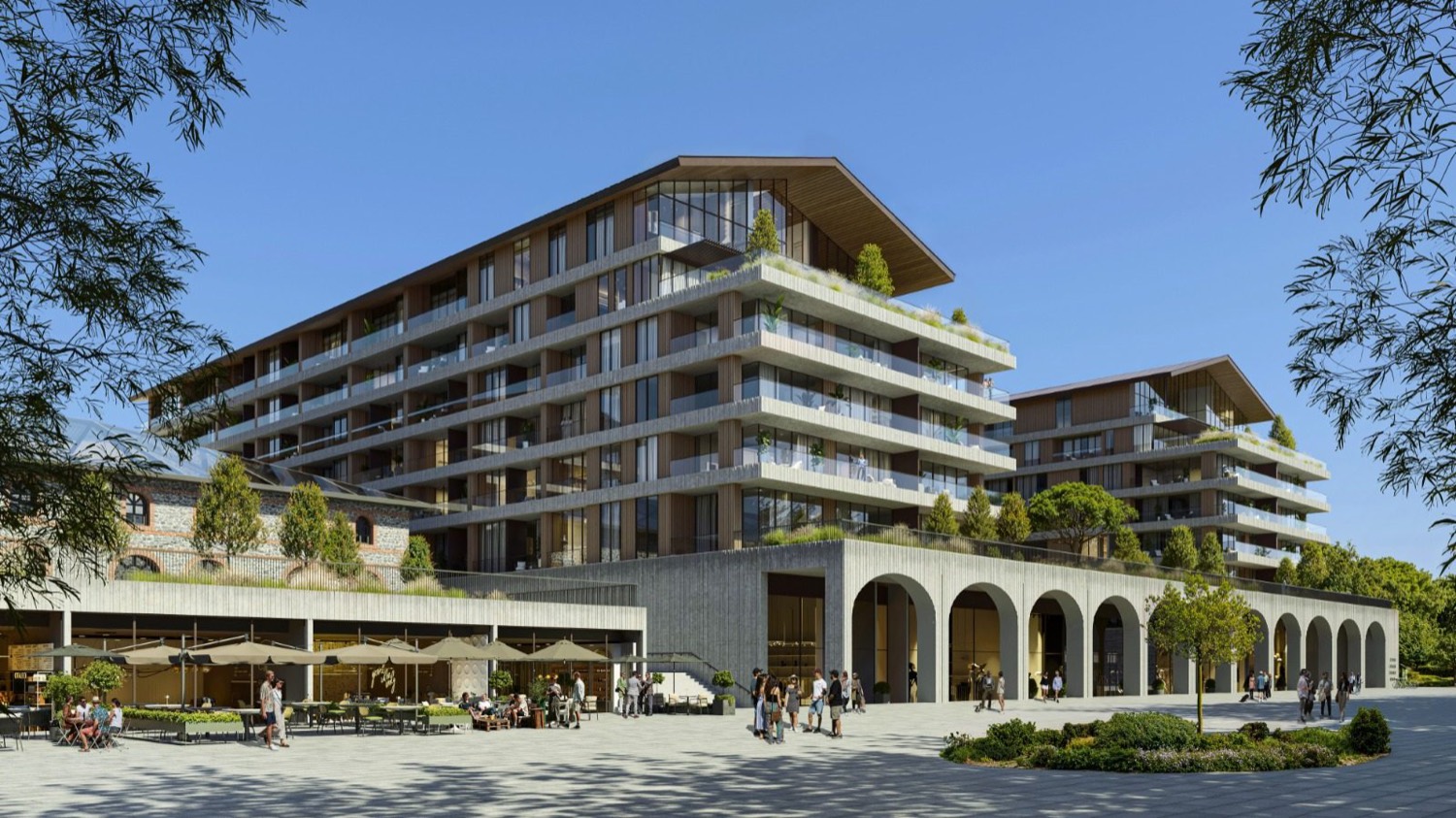
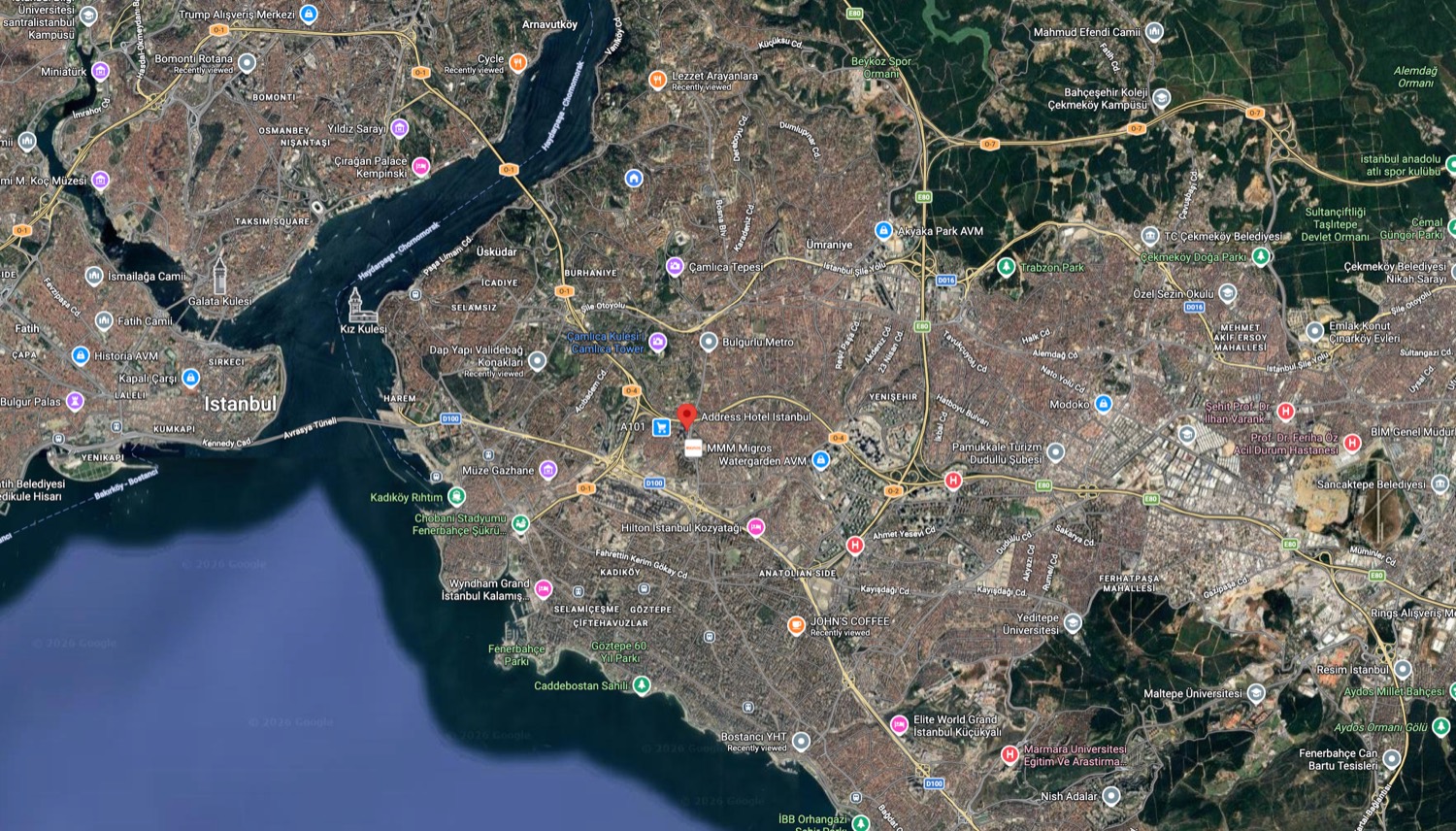
A branded residence is a private home that carries, and is run under, a recognised hotel or developer brand. You own the apartment; a professional operator manages the building to the brand's service standard. In Istanbul that means names such as Rixos at Tersane Istanbul on the Golden Horn, or Emaar and its Address brand at Emaar Square in Üsküdar — the Dubai developer behind the Burj Khalifa.
In practice you buy two things at once: the property, and a service layer. Concierge, housekeeping, security, wellness facilities, and often a managed rental desk all come attached to the badge on the door. That bundle is what makes branded stock appealing to a buyer who lives abroad and visits only part of the year.
Why they suit a citizenship buyer
Four features line up well with what the citizenship route asks of an asset.
- A recognised brand means trust — and resale liquidity. Buying across a border, often without standing in the apartment, is easier when the name is one you already know. The same recognition tends to help on the way out: branded stock in a central, established district is usually simpler for a non-resident owner to resell after the three-year hold than anonymous off-plan stock.
- Hotel-grade services, run for you. A managed building does not need your presence. It is cleaned, secured, and maintained whether you are in Istanbul or not — a real advantage for a diaspora owner who may use the home only a few weeks a year.
- Optional managed rental while you hold. Many branded buildings let owners place a unit into a hotel-linked or managed rental programme. Because the qualifying property must be held for three years but can be rented throughout, this lets the asset stay productive while your application is processed.
- Pricing usually clears the threshold cleanly. Branded residences are typically priced well above the USD 400,000 real-estate minimum, so eligibility on value is rarely in doubt — though the figure that counts is the SPK-licensed appraisal, not the asking price. (For everything beyond the purchase, see our all-in cost breakdown.)
A single qualifying purchase can also carry your spouse and children under 18 through the same application, and Turkey permits dual citizenship, so in most cases you keep your existing passport — subject to your home country's own law.
The honest cons
Branding is not free, and a clear-eyed buyer should price the downsides.
- You pay a brand premium. Branded residences commonly trade at an estimated 10–20% premium over comparable non-branded stock (an agency estimate, attributed, not a guarantee). Part of that buys genuine finish and service; part of it buys the badge. For a citizenship file, what matters is that an independent valuation supports the price — not the name alone.
- You rely on the operator. Service quality, building upkeep, and any rental income all depend on the operator continuing to perform. That is counterparty risk: the brand is only as good as the company standing behind it on the day.
- "Guaranteed" rental is only as good as the contract. Some developers advertise fixed or "guaranteed" returns. Treat these as the developer's claim, not as anything assured. Any such figure is the operator's or market's estimate, it carries counterparty risk, it usually applies to a specific block on specific terms, and it is governed entirely by your sale contract. Confirm the block, term, and conditions in writing before relying on a single number — see our note on guaranteed-rental schemes.
- Nominal growth is not real growth. Headline Turkish house prices are rising fast, but in inflation-adjusted terms they are flat to falling. Buy a branded residence for the asset and the citizenship, not as a quick flip.
This is general information, not investment or legal advice; figures are developer or market estimates; verify independently.
How branded fits the three-year hold
The mechanics of the route make branded stock a natural fit. The qualifying property must be held for three years and not sold inside that window, but it can be let throughout — including, where one exists, through the building's own managed programme. The common pattern for a non-resident owner is straightforward: buy a unit that clears the threshold on appraised value, rent it through the hold (yourself or via the operator), and consider a sale once the three years are complete. A serviced, branded home is well suited to being let, locked up, and revisited, which is exactly what an absentee owner needs.
An honest market note: nominal is not real
We will not dress up the numbers. The CBRT house-price index for February 2026 was up 26.36% nominal but down 3.93% in real terms; for Istanbul, +27.99% nominal and −2.69% real (Global Property Guide). Foreign demand has cooled too: foreign home sales in 2025 totalled 21,534, down 9.4% — a nine-year low (P.A. Turkey). Istanbul gross rental yields are often estimated at around 4–6% (an agency estimate, attribute and verify). A branded asset in an established district may hold its position better than the average — but treat the citizenship as the primary return, and capital growth as a possibility, not a plan.
The GMC angle: independent valuation, clean file
A second passport is only worth holding if it cannot be unwound later. In September 2025, Turkish authorities moved against overvalued and sham citizenship-linked deals, with roughly 451 investors reported to face revocation (Premium Citizen). The lesson is not that branded property is risky — it is that documented value and a clean paper trail are what keep the citizenship safe.
That is where independence earns its keep. Because we do not sell the property, we can:
- Value the brand premium honestly. We read the SPK-licensed appraisal against the asking price and tell you, before you pay, whether the unit is fairly priced or carrying too much of a premium to qualify cleanly.
- Check the unit qualifies. Correct title, a unit not previously used for a citizenship application, payment through Turkish banks evidenced by the Döviz Alım Belgesi, and the three-year hold — confirmed before you commit, not after.
We will not promise an outcome or a timeline. The decision rests with the Turkish authorities and typically takes several months, though that is not guaranteed. The legal basis for the route is Law No. 5901, Article 12(b) and its Implementing Regulation Article 20.