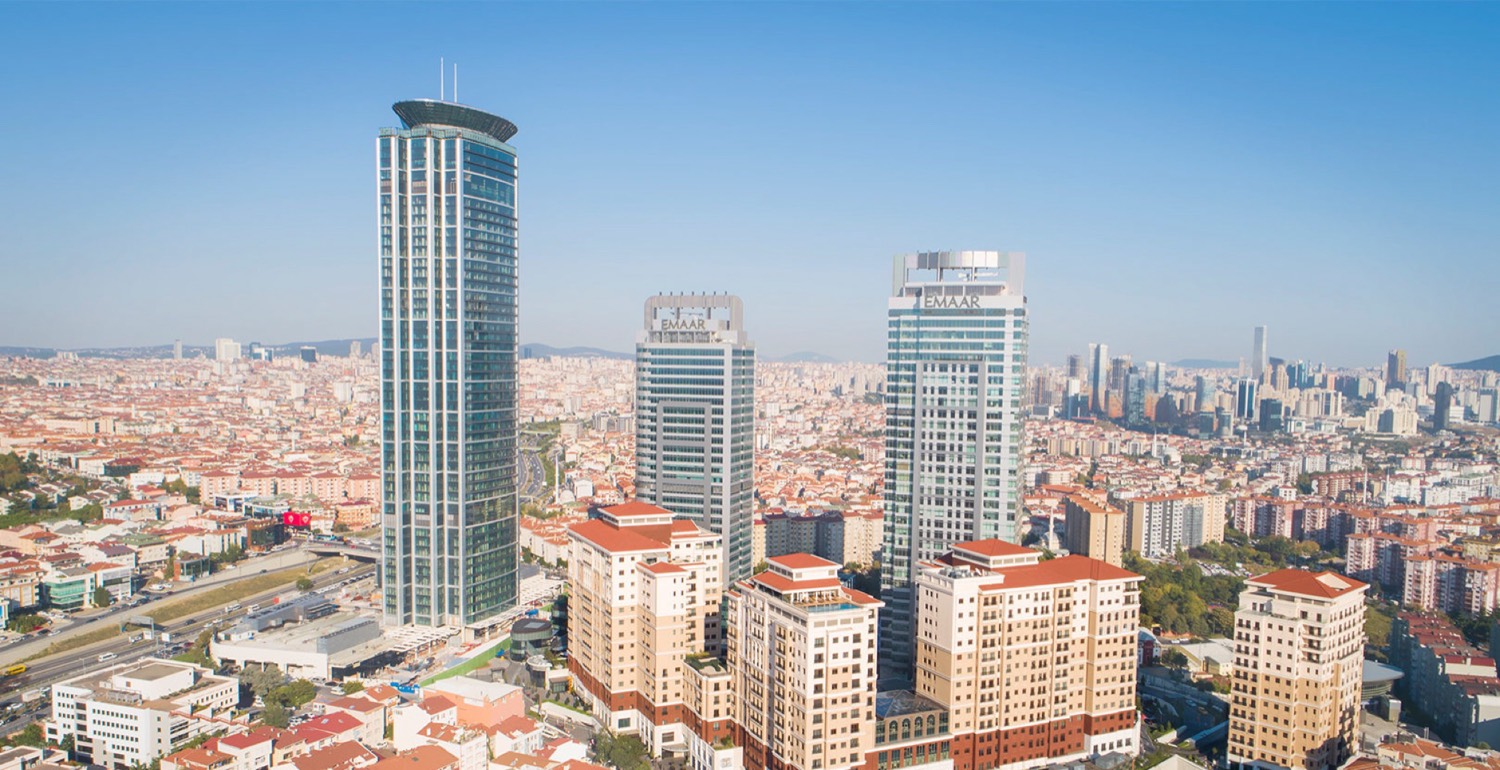
For many Gulf and diaspora buyers, the name Emaar needs no introduction. It is the Dubai developer behind the Burj Khalifa and The Dubai Mall. In Istanbul, that same name sits on a single, completed development: Emaar Square in Üsküdar, on the Asian side of the city. For someone considering Turkish citizenship by investment, a branded, ready-to-move address from a developer you already recognise is a particular kind of proposition — and worth looking at on its own terms.
This is a development-level guide, not a unit listing. It explains who built Emaar Square, what it is, and how a purchase here fits — or does not fit — the rules of the citizenship route. We are an independent advisory and a member of the Investment Migration Council (IMC), with offices in Istanbul, Athens, and Dubai. We do not sell this property. Our only product is advice, which is why we can value any unit here against you and tell you to walk away if the numbers do not work.
Emaar in Istanbul: who built it, and where
Emaar Properties is one of Dubai's largest developers, chaired by Mohamed Alabbar, and the company behind the Burj Khalifa and The Dubai Mall (Wikipedia: Emaar Square Istanbul). It entered Turkey through Emaar Türkiye, and Emaar Square is its flagship Istanbul project.
The location is Ünalan, in the Üsküdar district on Istanbul's Asian side (Wikipedia). Some marketing describes the area as "Çamlıca"; the registered address is Ünalan, Üsküdar, so that is the framing we use. The nearest metro is Üsküdar (M5) — a short ride away rather than a door-to-platform connection, with the exact distance to be confirmed.
Emaar Square and Square Heights
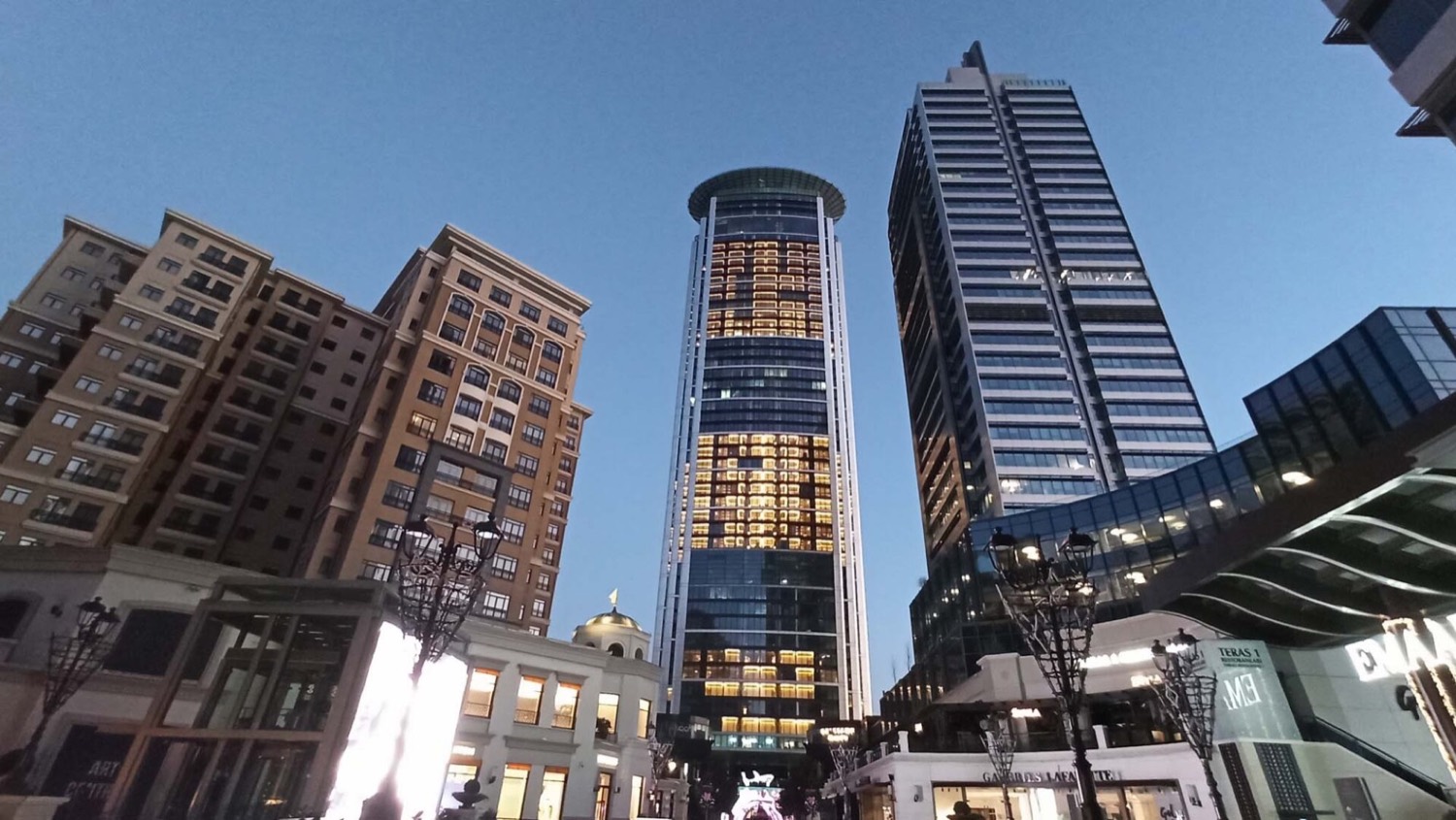
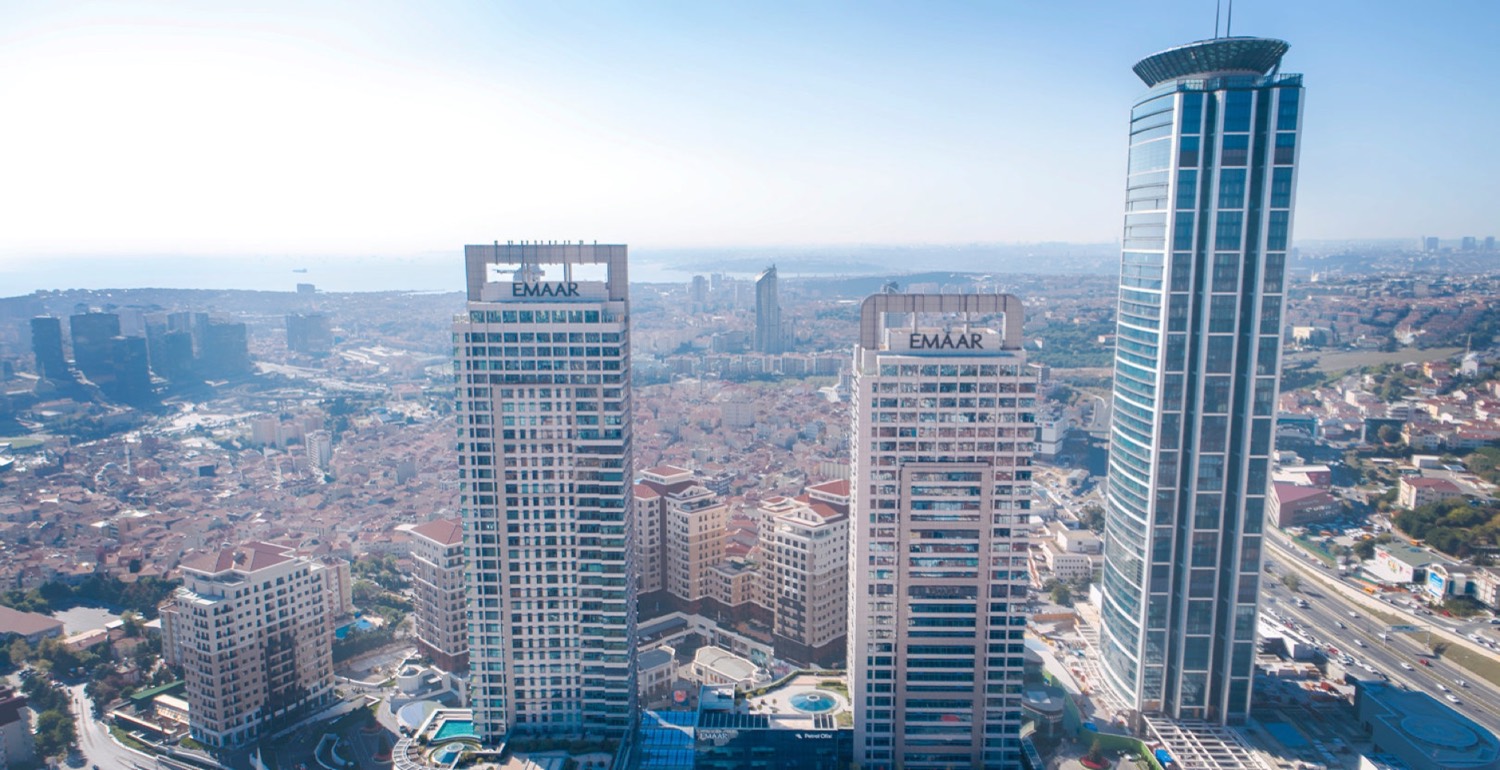
Emaar Square is a large mixed-use complex, built between roughly 2012 and 2020 and now completed (Wikipedia). According to the developer and public records, it comprises around seven towers and more than 1,000 high-end residences, alongside offices and the Emaar Square Mall. Its tallest tower, The Address Residences & Hotel, rises to 245 m across 51 floors — the branded-residence flagship, combining a hotel with high-end apartments above it (Wikipedia).
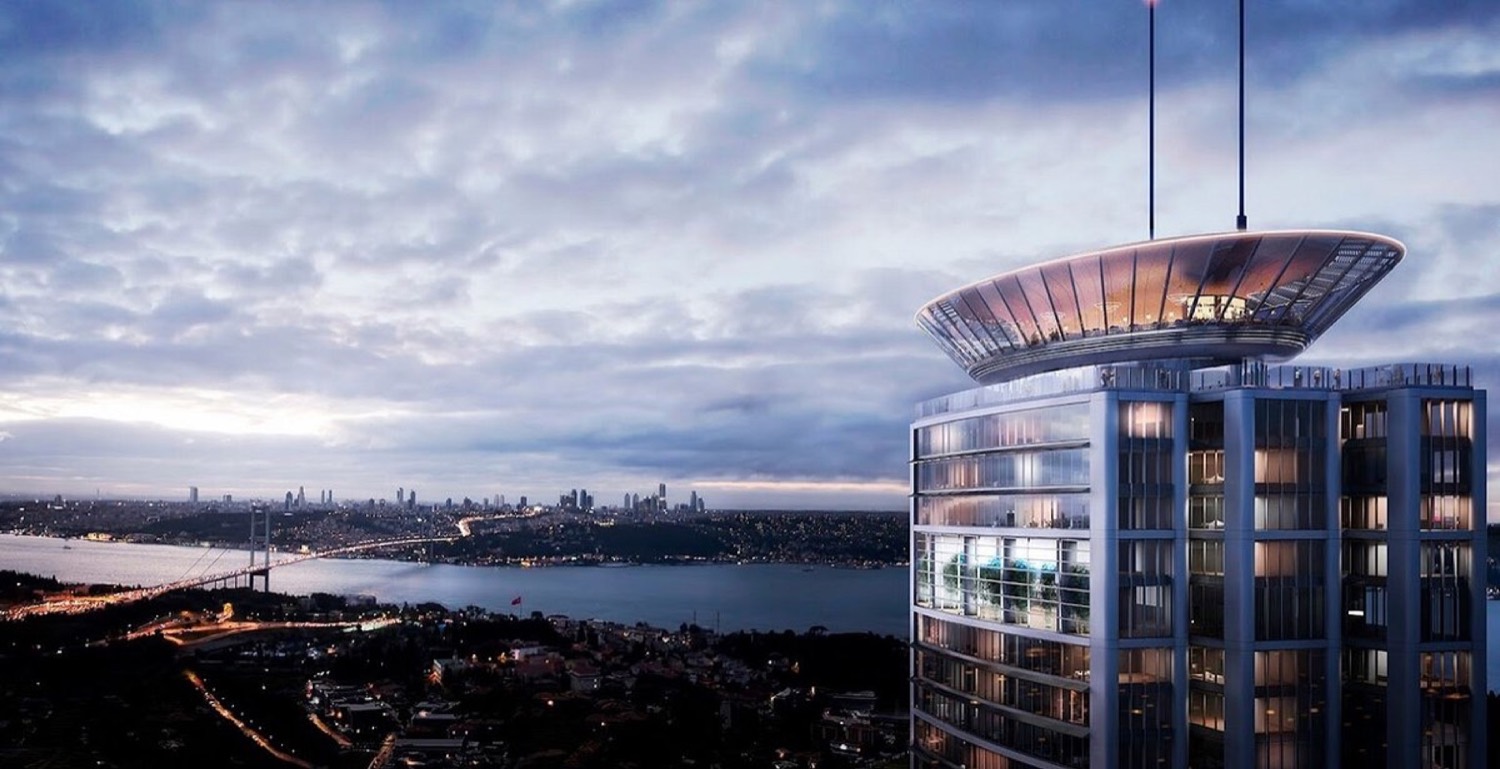
Within the complex sits Emaar Square Heights, a residential tower of 33 floors above the shopping mall, offering around 333 units from one-bedroom (1+1) to five-bedroom (5+1), which the developer describes as ready to move in (Emaar Türkiye). Because the development is essentially finished, one practical question is whether the units available today are developer inventory or resale stock — the answer affects the paperwork and the price, and we confirm it before you commit.
One point of honesty matters for citizenship buyers. The developer advertises Square Heights pricing "from" a figure below the USD 400,000 citizenship threshold (Emaar Türkiye). The smallest units therefore do not qualify on their own. Only a unit recorded at the land registry at USD 400,000 or more can support a citizenship file.
The amenities and the mall
The appeal of a branded development is partly the building and partly the lifestyle attached to it. At Emaar Square, the developer lists (attributed, and subject to the specific unit and contract):
- A recreational centre at podium level with an outdoor pool, club lounge, kids' club, fitness studio, and gym, plus a rooftop pool with a panoramic city view (Emaar Türkiye).
- Reception and concierge service, and the synergy of a branded residence-hotel environment alongside The Address.
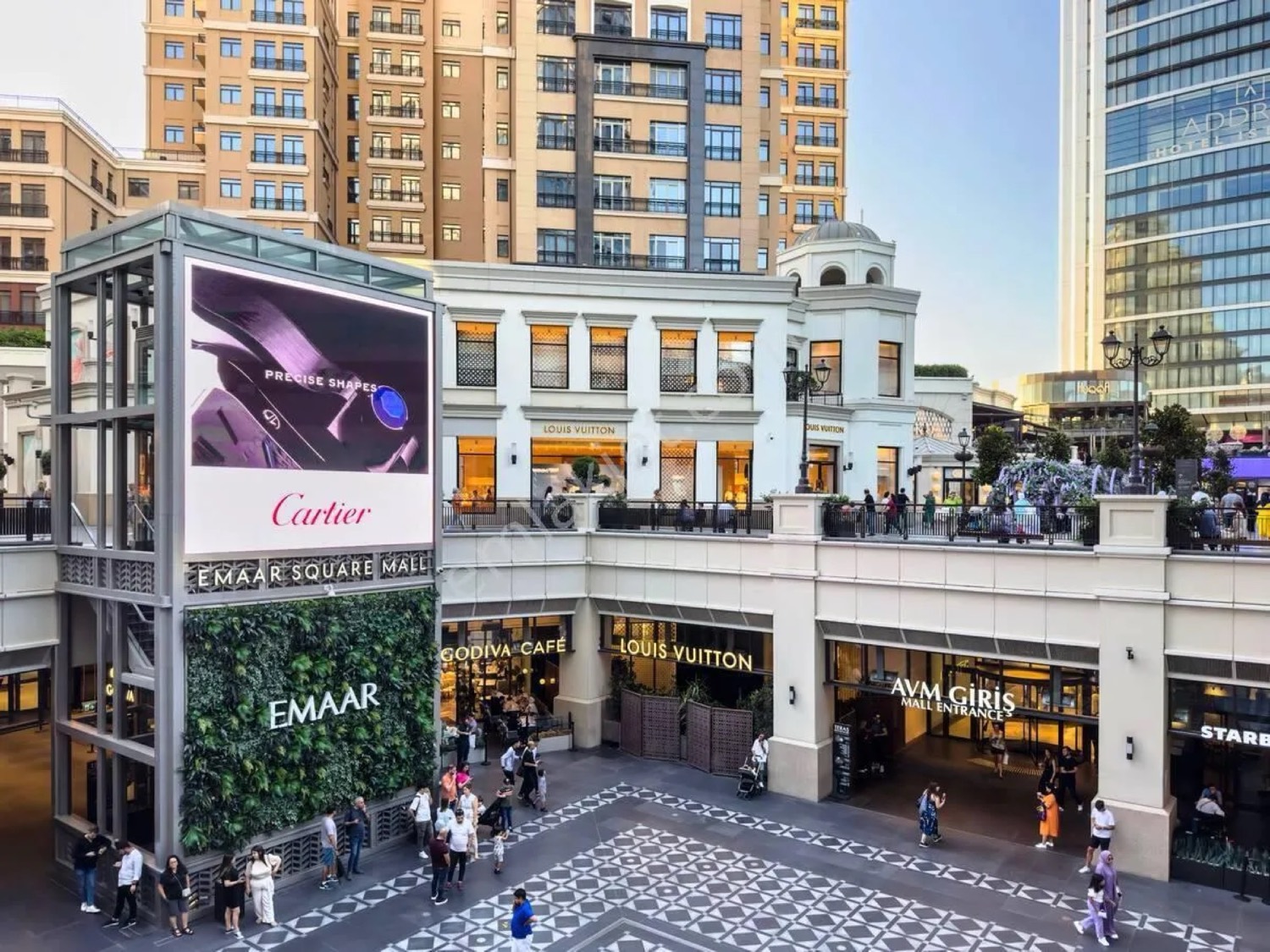
- Direct access to the Emaar Square Mall — one of the largest in Turkey, opened in 2017, with leisure anchors said to be inspired by The Dubai Mall (Wikipedia).
- Bosphorus and skyline views from the upper floors, depending on orientation.
Some branded buildings of this type offer owners the option to place their unit into a hotel-linked, shared-revenue rental programme. Where such a programme exists, any income figure is the operator's or the market's estimate, never assured — it depends on the operator's performance, occupancy, and the terms of the agreement, and it is always subject to contract. We treat any such projection as a number to scrutinise, not a promise to repeat.
Why Gulf and diaspora buyers gravitate to Emaar
The pull of Emaar in Istanbul is largely about familiarity and trust. For a buyer in Dubai, Riyadh, Karachi, or London who already knows the Burj Khalifa and The Dubai Mall, an Emaar address carries built-in recognition. That matters when you are buying across a border, often without standing in the apartment yourself.
Branded residences also tend to trade at a premium over comparable non-branded stock — commonly estimated at around 10–20% (an agency estimate, attributed, not a guarantee). That premium cuts both ways: it reflects brand, finish, and service, but it also means you must check that what you pay is supported by an independent valuation, not by the badge alone. For a citizenship buyer this is doubly important, because the file rests on documented value, not reputation. The brand is a reason to look; the valuation is what protects you.
Why it suits a citizenship buyer
Set against the requirements of the route, a completed, branded development has some real, structural advantages.
- A ready title (Tapu), now. Because the buildings are finished, a qualifying purchase can move to an immediate, registered title deed rather than waiting on an off-plan completion — a cleaner, more straightforward citizenship file, with the qualifying asset registered and valuable today.
- It clears the threshold — at the right unit. Larger residences here can sit at or above USD 400,000, the minimum for the real-estate route. The asset must be valued by an SPK-licensed appraisal, hold the correct title, not have been previously used for a citizenship application, and be held for three years.
- Your family is included. A single qualifying application covers the main applicant, their spouse, and children under 18. Turkey also permits dual citizenship, so in most cases you keep your existing passport — though whether your home country allows that is governed by its own law.
- Asian-side prestige. Üsküdar offers an established residential character on the Anatolian shore, with the convenience of the mall and the standing of a recognised brand.
Buying safely: valuation, bank payment, a clean file
A second passport is only worth holding if it cannot be challenged later. In September 2025, Turkish authorities moved against overvalued and sham citizenship-linked property deals, with roughly 451 investors reported to face revocation of citizenships obtained through inflated or non-qualifying transactions (Premium Citizen). The lesson is not that branded property is risky — it is that documented, genuine value and a clean paper trail are what keep the citizenship safe.
Three safeguards do most of the work, and a recognised developer makes each of them easier rather than harder:
- Independent valuation first. The qualifying value must rest on an SPK-licensed appraisal, channelled through the designated valuation process. Because we do not sell the property, we can read that appraisal against the asking price and tell you before you pay whether a unit is fairly priced or carrying too much of a brand premium to qualify cleanly.
- Pay through Turkish banks, on the record. Funds should move through the Turkish banking system with a Döviz Alım Belgesi (foreign-currency purchase certificate) evidencing the transfer. A transparent payment trail is part of what makes the file defensible.
- The right title, used once. The unit must carry the correct, clean title and must not have been used for a prior citizenship application. On a completed development with resale stock in circulation, this is exactly the kind of check that protects you — and exactly the kind we run.
A recognised developer plus an independent appraisal plus a clean bank trail is, in practice, a secure file. We will not promise an outcome or a timeline — the decision rests with the Turkish authorities and typically takes several months, though that is not guaranteed. We will tell you what protects the file and what does not.
An honest note on the market
Buying for citizenship is not the same as buying purely for return, and the current numbers deserve candour. As of February 2026, Turkey's nationwide house-price index was up 26.36% in nominal terms but down 3.93% in real terms once inflation is stripped out; for Istanbul the figures were +27.99% nominal and −2.69% real (Global Property Guide). Demand from abroad has cooled too: foreign home sales in 2025 came to 21,534 units, down 9.4% year-on-year — a nine-year low (P.A. Turkey).
In plain terms: headline prices are rising, but in real, inflation-adjusted terms many buyers are roughly treading water, and foreign appetite is softer than it was. A branded asset in an established district may hold its position better than the average — but treat the citizenship as the primary return, and any capital appreciation as a possibility, not a plan.
This is general information, not investment or legal advice; figures are the developer's or market estimates; verify independently.